
Stay Warm, Energized, and Fit
When the cold winds of winter start to blow, our body naturally craves warmth, comfort, and nourishment. The chilly weather can make us sluggish, increase our appetite, and even weaken our immune system. That’s why eating a balanced and healthy diet in winter is not just about staying warm—it’s about keeping your body strong, active, and protected from seasonal illnesses like cold, cough, and flu.
Let’s explore how to create a perfect winter diet that keeps you cozy, energetic, and glowing throughout the season.
❄️ Why a Healthy Diet Matters More in Winter
Winter affects our metabolism, mood, and immunity. The body burns more calories to stay warm, and shorter daylight hours can make us feel low in energy. Moreover, our skin tends to dry out, and we’re more prone to infections.
Eating the right foods helps:
- Strengthen the immune system
- Maintain body temperature
- Keep skin and hair healthy
- Provide steady energy levels
- Improve mood and mental health
A nutrient-rich winter diet is your natural shield against seasonal challenges.
🥦 1. Seasonal Fruits and Vegetables: The Foundation of Winter Health
Seasonal produce is fresher, tastier, and packed with nutrients. Winter offers a wide range of fruits and vegetables that are both healthy and delicious.
🍊 Fruits to Include:
- Oranges, amla (gooseberry), and guava: Rich in vitamin C, these boost your immunity and fight infections.
- Apples and pears: Provide fiber and antioxidants that keep digestion smooth and the body detoxified.
- Pomegranates: Support heart health and maintain hemoglobin levels.
- Bananas and dates: Great sources of natural energy to beat winter fatigue.
🥕 Vegetables to Include:
- Carrots, beetroot, and sweet potatoes: Full of beta-carotene, they improve vision, skin, and overall health.
- Spinach, fenugreek (methi), mustard greens (sarson), and kale: High in iron and vitamins A, C, and K.
- Broccoli and cauliflower: Rich in fiber and antioxidants, they strengthen your immune defense.
🧈 2. Healthy Fats: Keep You Warm and Energized
Contrary to popular belief, fats are not your enemy—especially in winter. They help in insulation and give long-lasting energy.
Add these healthy fats to your diet:
- Nuts and seeds: Almonds, walnuts, flaxseeds, sunflower seeds, and chia seeds are excellent for brain health and skin hydration.
- Ghee (clarified butter): A traditional Indian winter superfood that boosts metabolism and keeps joints flexible.
- Avocados and olive oil: Great plant-based sources of good fats that support heart health.
Enjoy a teaspoon of ghee on your chapati or dal—it’s both delicious and nutritious!
🥣 3. Whole Grains and Millets: For Warmth and Strength
Whole grains and millets are perfect winter foods because they release energy slowly and keep you full longer.
- Millets like bajra (pearl millet) and jowar (sorghum) generate heat in the body and are great for making rotis or porridge.
- Oats and quinoa provide fiber, regulate blood sugar, and support digestion.
- Brown rice and whole wheat add essential carbohydrates that help maintain body temperature.
Try including bajra khichdi, ragi dosa, or multigrain chapatis in your winter meals.
🍲 4. Protein-Rich Foods: Build Immunity and Strength
Proteins are essential for repairing tissues, building muscles, and producing enzymes that fight infections.
Winter protein sources include:
- Lentils and pulses: Moong dal, masoor dal, and rajma are great plant proteins.
- Eggs, fish, and lean meat: Help maintain body warmth and provide vitamin B12 and omega-3 fatty acids.
- Paneer (cottage cheese) and yogurt: Strengthen bones and support digestion (opt for warm or room-temperature yogurt).
A bowl of hot lentil soup or chicken broth can be both comforting and nourishing during cold evenings.
🍵 5. Warm Drinks and Soups: Hydration with a Twist
In winter, we often forget to drink enough water because we don’t feel thirsty. However, dehydration can cause fatigue and dry skin. Replace cold drinks with warm beverages to stay hydrated and warm.
- Herbal teas: Ginger, tulsi (holy basil), cinnamon, or green tea boost metabolism and immunity.
- Soups: Vegetable, tomato, or chicken soups are filling and provide vitamins and minerals.
- Warm water with honey and lemon: Helps flush out toxins and soothes the throat.
Avoid too much caffeine; instead, sip on healthy alternatives throughout the day.
🍯 6. Natural Sweeteners and Winter Treats
Winter is incomplete without traditional sweets—but it’s best to make them healthy!
- Use jaggery (gur) instead of sugar—it’s rich in iron and keeps you warm.
- Sesame (til) and peanut chikki are perfect energy boosters.
- Try date-based desserts like date laddoos or smoothies for a natural sweetness.
Moderation is key—enjoy your treats, but don’t overindulge.
🧘♀️ 7. Lifestyle Tips to Complement Your Diet
Diet works best when paired with the right habits. Here are a few simple lifestyle tips for winter wellness:
- Stay active: Exercise daily to boost circulation and reduce stiffness.
- Get sunlight: Spend time outdoors to absorb vitamin D.
- Sleep well: 7–8 hours of rest helps your body recover and strengthen immunity.
- Moisturize naturally: Include healthy oils and drink plenty of fluids to prevent dry skin.
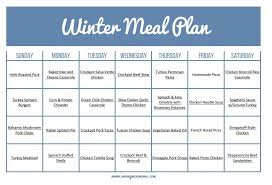
🥗 Sample Winter Meal Plan
Morning:
Warm water with lemon and honey → Oatmeal with nuts and banana
Mid-Morning Snack:
Guava or a handful of roasted chana
Lunch:
Brown rice, dal, sautéed spinach, and carrot salad
Evening Snack:
Herbal tea with til chikki or roasted peanuts
Dinner:
Bajra roti with vegetable curry and a small bowl of curd
🌼 Conclusion
Winter is the perfect time to enjoy wholesome, nourishing foods that warm your body and comfort your soul. By including seasonal fruits and vegetables, healthy fats, whole grains, proteins, and warm drinks, you can stay energetic and illness-free throughout the season.
Remember, nature gives us everything we need to stay healthy—just eat fresh, local, and seasonal. With the right diet and habits, you can make this winter your healthiest one yet!